What Are the the Best AI Applications in Web Design for Rochester, NY?
50 Fountain Plz #1400, Buffalo, NY 14202
(315) 758-3349
https://maps.app.goo.gl/y9HMhvcoPCh9V3eKA
https://sunstonedigitaltech.com/buffalo-marketing-agency/web-design
42.8898193, -78.8738661
What is AI in web design?
Artificial intelligence in web design refers to tools and systems that help teams take faster, smarter decisions across strategy, visuals, content, and performance. In practice, AI in web design combines machine learning, natural language tools, and automation to support tasks that once required more manual effort. For Rochester, NY businesses, that can mean improving website performance, streamlining design workflows, and creating a more conversion-focused online presence that supports lead generation.
AI is not replacing the creative side of web design. Instead, it provides creative assistance and smart automation so teams can spend more time on strategy and less time on repetitive production. That matters in a market like Rochester, NY, where small businesses, professional services, higher education, and manufacturing companies all compete for attention in the same local search results. The right use of AI can improve search visibility, strengthen the customer journey, and support better data-driven decisions.
For many organizations, AI also fits naturally into digital marketing and seo services. It can help agencies and in-house teams analyze visitor behavior, improve content relevance, and make faster changes inside content management systems. When used well, AI supports a scalable workflow that balances efficiency with quality.
Which AI applications drive the most significant results in web design?
The most valuable AI use cases are the ones that move business results, not just design jobs. In modern web design, the biggest impact usually comes from enhancements in user experience, conversion rate optimization, personalization, and design workflows. Those four areas affect whether a site draws in the right audience, keeps them engaged, and turns visits into leads or sales.
As an example, AI can help identify friction points in a mobile-first journey. It can suggest layout changes based on behavior patterns, improve the path from homepage to contact form, and surface content that better matches a visitor’s intent. This is particularly valuable for local service businesses and B2B firms in Monroe County that rely on website inquiries, phone calls, and appointment requests.
AI is also helpful for teams trying to improve efficiency without sacrificing quality. By using automation in repetitive areas like tagging, content audits, and reporting, businesses can redirect time to strategy and campaign planning. That creates better alignment between web design, digital marketing, and broader marketing strategy.
How can AI improve layout, visuals, and branding?
AI can support layout decisions, visual exploration, and brand execution in several practical ways. AI website builders can speed up early-stage site creation, while image generation tools can help teams prototype hero graphics, section visuals, or campaign assets faster. For companies in Downtown Rochester, Brighton, Henrietta, or Irondequoit, this can be useful when a website needs to launch quickly without losing polish.
One of AI’s most useful contributions is helping maintain brand consistency across a website. It can suggest tone, color usage, spacing patterns, and visual treatments that align with an established identity. That matters when a site supports multiple audiences, such as local buyers, regional decision-makers, and long-term https://rentry.co/4sh8h2h4 enterprise clients.
AI also assists with responsive design. It can determine whether a layout functions properly across mobile, tablet, and desktop views, which is essential because many users in upstate New York browse on phones year-round. Whether someone is browsing during a winter storm, on a lunch break, or while comparing vendors after hours, the experience needs to stay speedy and easy to use.
Powerful AI-powered design is not about making every page look the same. It is about using machine-driven processes and pattern recognition to create a more effective, faster, more consistent experience for the local audience.

How can AI support copywriting and content strategy?
Artificial intelligence is especially valuable for content optimization. It can evaluate page structure, suggest topical coverage, and help teams build content that better matches search intent. For Rochester businesses competing in crowded local markets, that means creating pages that are more useful to readers and easier to find in search.
It also helps with headline testing and microcopy. Small changes in button text, form labels, or section headers can affect interaction and conversion. AI tools can generate variants for testing so teams can sharpen messaging based on actual performance rather than guesswork. That is where analytics and AI work together to improve outcomes.
Another important area is semantic SEO. AI can identify related topics and subtopics that strengthen content relevance without keyword stuffing. When web pages cover connected ideas naturally, they often perform more strongly for both users and search engines. This is useful for service pages, resource hubs, and landing pages that support lead generation and local authority.
How might AI help with SEO services and digital marketing?
AI has become a major asset in SEO services and digital marketing because it improves efficiency, precision, and audience targeting. It can help with keyword research, cluster topics by intent, and identify opportunities that align with a business’s priorities. Instead of building content around single keywords, AI helps teams map topics to the complete customer journey.
That matters because search behavior is changing. People are asking more focused questions, comparing service providers more closely, and expecting pages to answer needs fast. AI supports better search intent analysis so businesses can create pages that match what users actually want: information, pricing clarity, trust signals, or a direct call to action.
For Rochester companies, AI can also help align web design with broader digital marketing campaigns. A landing page for an email promotion, a paid search ad, or a seasonal service offer should not just look good; it should be built to convert. AI can support faster testing, better content alignment, and smarter prioritization of pages that need the most attention.
When used effectively, AI improves both productivity and performance. That means stronger website performance, more consistent content relevance, and better return on marketing investments.
Can AI improve local SEO for Rochester businesses?
Yes. AI can improve local SEO by helping businesses identify location-specific opportunities, organize service-area content, and optimize the signals that search engines use to understand relevance. This is especially important in a regional market like Rochester, NY, where competition exists across neighborhoods and nearby areas as well as the larger Monroe County business landscape.
AI can help refine a Google Business Profile by suggesting better service descriptions, post ideas, and Q&A responses. It can also help identify where citations need to be cleaned up or expanded across local directories. For businesses that serve Downtown Rochester, Brighton, Henrietta, or Irondequoit, these details can influence visibility in local search and map results.
Location pages are an especially effective use case. AI can help draft unique, helpful location pages that address local services, local landmarks, and audience needs without duplicating content. A well-built location page can strengthen a service business looking for additional calls, a professional firm trying to win local leads, or a manufacturer targeting nearby partners.
Changes in season also matters. In upstate New York, winter service demand can create bursts of local search activity, while year-round mobile search habits shape how people find and contact businesses. AI helps marketers react sooner to those shifts and keep content matched to local demand.
Where can AI experts integrate into the web design process?
ai experts act a critical role in making sure AI supports business goals instead of causing noise. They fill the gap between tools and outcomes by applying prompt engineering, testing outputs, and maintaining human oversight. In other words, they help ensure the technology serves the strategy.
In a standard project, ai experts help determine where AI can deliver the most value. That may include content generation, UX analysis, layout exploration, or reporting automation. They also ensure the workflow aligns with the company’s goals, industry constraints, and brand voice. Good strategy is what keeps AI from becoming a shortcut that diminishes quality.
Prompt engineering is especially useful when teams need repeatable output. A well-crafted prompt can guide AI to create page outlines, content drafts, metadata suggestions, or testing ideas in a way that fits the brand. However, human review remains essential for tone, accuracy, and local relevance.
For Rochester organizations, ai experts can also help internal teams understand when AI should be used and when it should not. That balance is important for regulated industries, high-trust service businesses, and companies that need careful messaging for complex offerings.
What are the risks and limitations of AI in web design?
AI is powerful, but it is not always accurate. One important issue is quality assurance. AI-produced layouts, copy, or recommendations still need review because they can be one-size-fits-all, not on-brand, or out of sync with business goals. Careful review workflows help preserve the final product.
Data privacy is another issue. Businesses should be careful about what they share with AI tools, especially when handling customer data, proprietary information, or sensitive business strategy. The safest approach is to use AI within clear policies and trusted systems.
Accessibility standards must also stay at the forefront. AI can suggest improvements, but it should never replace compliance checks, contrast testing, keyboard navigation review, or screen-reader evaluation. Accessible design is not optional, especially for public-facing websites that need to serve all users.
Finally, there are false outputs, where AI produces inaccurate or made-up information. For that reason human review and source verification are essential. AI is best treated as a support system, not an authority. If used responsibly, it improves efficiency; used carelessly, it can damage trust.
What does an effective AI-powered workflow look like?
A realistic AI-powered workflow usually begins with wireframing. AI can help generate rough page structures, content hierarchies, and interaction ideas before the design team moves into polished visuals. This speeds up early planning and allows stakeholders to react to a clearer concept sooner.
From there, teams can use AI to support content drafts, layout refinements, and internal review. Once the site is live, A/B testing becomes essential. AI can help generate alternate headlines, CTA placements, or form designs, while analytics reveal which version performs better. That creates a loop of continuous improvement.
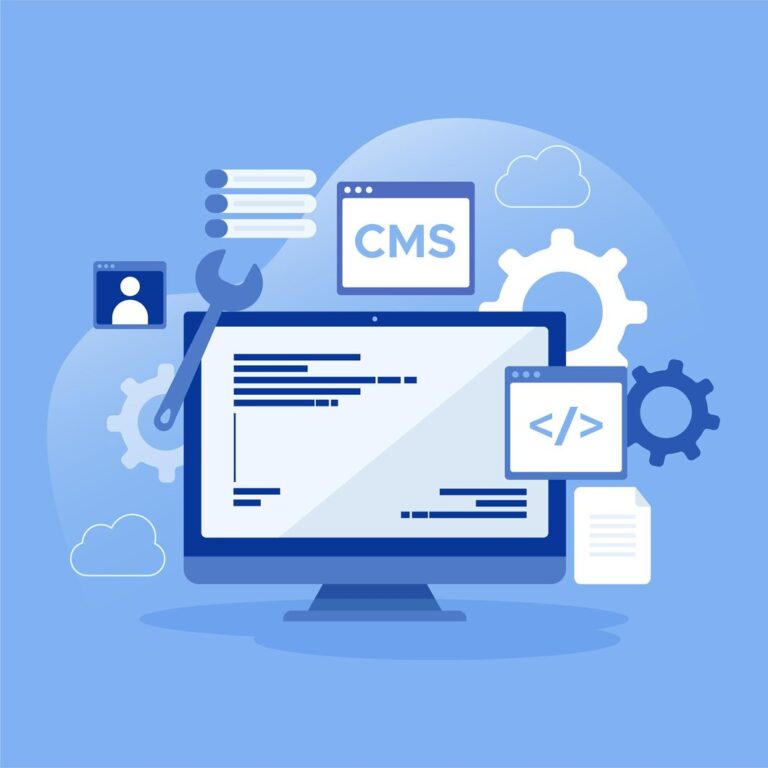
Content management systems also gain advantages from AI. Many CMS platforms now support task automation, content recommendations, and scheduling assistance. This can reduce manual effort for updates, publishing, and page maintenance. In busy Rochester organizations, that efficiency helps small teams operate more like a larger department.
The best workflows pair AI with human judgment. AI supports fast iteration, but people still set priorities, validate results, and make the final decisions. That is the formula for better design efficiency and a healthier return on investment.
How should Rochester, NY businesses pick the right AI strategy?
Organizations in Rochester, NY should begin by pairing AI to real business needs. A local service company may need stronger lead capture and faster response times. A B2B firm may want stronger content relevance, thought leadership, and conversion-focused landing pages. A retail or hospitality brand may care more about customization, content updates, and mobile engagement.
That is why small business marketing goals should shape the AI plan. The right approach depends on budget, timeline, competitive pressure, and internal resources. A business with limited staff may benefit most from task automation and content support, while a larger organization may use AI for analytics, testing, and workflow optimization.
Competitive analysis is also essential. In Greater Rochester and Monroe County, businesses are often competing against firms with similar services, similar claims, and similar pricing. AI can help identify gaps in competitor content, local rankings, and user experience. That insight can inform what to improve first.
Industry fit matters as well. Healthcare, manufacturing, education, legal, home services, and professional services all have different risk levels and content needs. The right AI rollout should match the complexity of the industry and the expectations of its audience.
Most importantly, businesses should ask for an implementation roadmap. That roadmap should define where AI will be used, who will approve outputs, how success will be measured, and how the site will keep improving over time. With the right plan, AI becomes a practical growth tool rather than a trend.
For Rochester organizations that want more effective SEO services, better digital marketing, and more streamlined web design, AI offers real value. It can improve strategy, enhance the customer journey, and support lead generation across local and regional markets. The best results come from combining technology with expertise, local knowledge, and a clear business goal.
FAQ
What are the most effective AI applications in web design for small businesses?
The most useful use cases usually prioritize saving time and improving results: layout planning, content optimization, headline testing, personalization, automating tasks, and better analytics. Small businesses can use AI to launch faster, boost site performance, and create a more conversion-driven experience without adding too much overhead.
Can AI take the place of web designers or SEO professionals?
Nope. AI can help with web design and SEO services, but it cannot entirely replace human strategy, creativity, or judgment. Web designers and SEO professionals still oversee brand consistency, accessibility, quality control, and the decisions that connect the website to business goals.
How can AI boost SEO services and digital marketing?
AI assists with keyword analysis, analysis of search intent, relevance optimization, and performance reporting. It also can support SEO services and digital marketing by increasing work speed, identifying opportunities faster, and making it easier to test what drives better search rankings and leads.
Is AI useful for local SEO in Rochester, NY?
Certainly. AI can boost local SEO by improving Google Business Profile optimization, creating useful location pages, handling citations, and tailoring content to Rochester, NY neighborhoods and nearby communities. It can also enable businesses respond to seasonal demand and year-round mobile search habits.
Which questions should businesses ask ai experts before using AI in web design?
Companies should ask how AI will support strategy, where human review will be used, how privacy is protected, and how success will be measured. They should also consider about prompt engineering, accessibility reviews, content review, and the deployment plan so the system fits their field and objectives.